
What Homeowners Should Know About Tankless Water Heater Performance
Tankless water heaters have become an increasingly attractive option for homeowners who want more control over energy use and hot water availability. As utility costs rise and households look for efficient upgrades, these systems promise on-demand performance without the limitations of traditional storage tanks. However, understanding how they work and what affects their performance is essential before committing to a tankless water heater install.
This guide breaks down the key performance factors, benefits, costs, and challenges homeowners should consider. By understanding how tankless systems operate in real-world conditions, homeowners can better evaluate whether this modern solution aligns with their household needs and long-term goals.
Understand How Tankless Water Heaters Operate
Tankless water heaters heat water only when it is needed rather than storing hot water in a tank. When a hot water fixture is turned on, cold water flows through the unit and is heated instantly by an electric element or gas burner. This on-demand approach eliminates the energy loss associated with constantly reheating stored water, making system performance closely tied to usage patterns, proper sizing, and the quality of the tankless water heater install.
Internal components such as the heat exchanger, control board, and temperature sensors work together to regulate output and maintain consistent water temperature. Compared to traditional systems that rely on stored capacity, tankless models use advanced controls to adjust heating levels in real time. Because water heating plays a significant role in household energy use, efficiency matters. According to Consumer Reports, water heaters can represent up to 18% of residential energy usage, which highlights why system performance and proper installation are critical considerations.
Evaluate Performance Factors That Affect Output
Several variables directly influence how well a tankless system performs in a home. Incoming water temperature plays a major role, as colder groundwater requires more energy to heat to a usable level. Homes in colder regions often need higher-capacity units to maintain consistent output without sacrificing comfort.
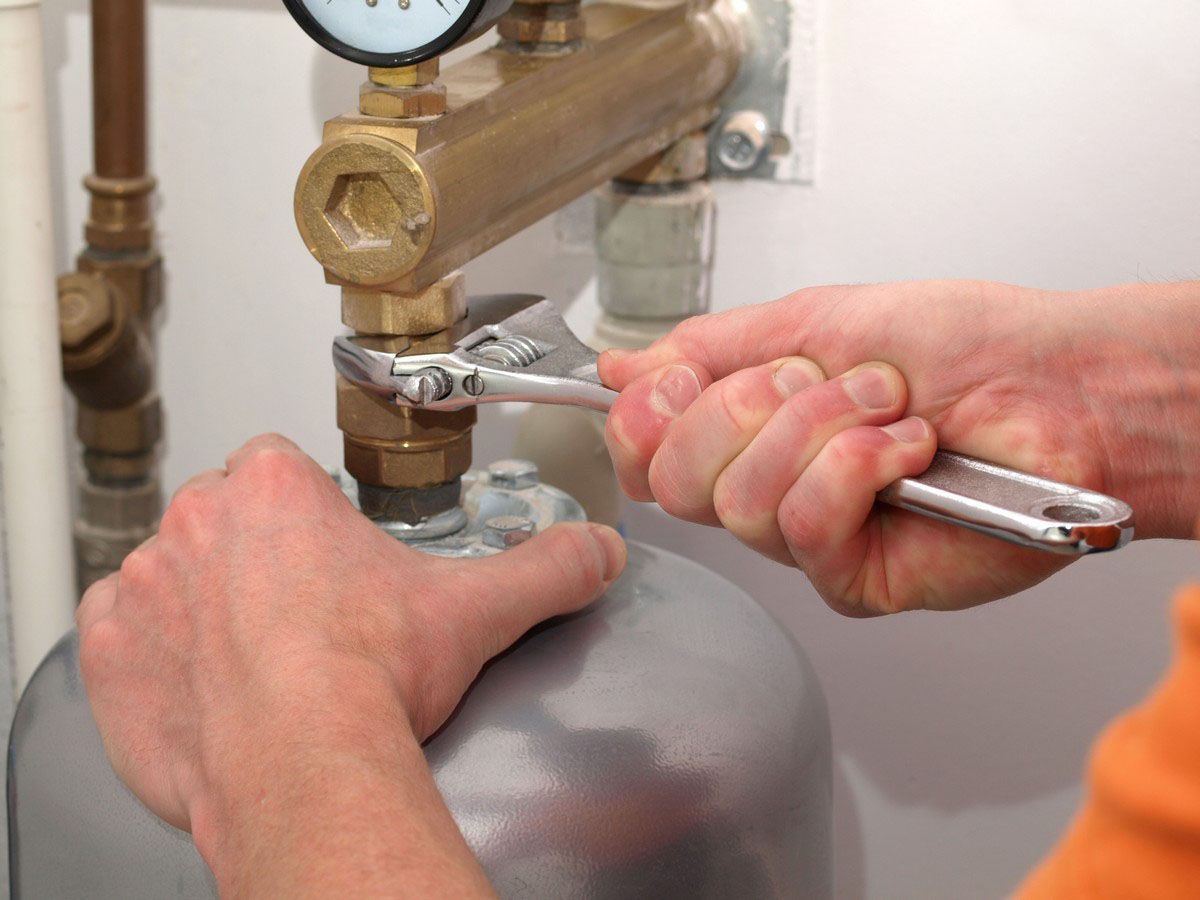
Household size and water usage habits are equally important. Multiple fixtures running at the same time place higher demand on the system, which can strain undersized units. Flow rate capacity determines how much hot water the system can produce at once, making accurate assessment essential before a tankless water heater install. Ongoing maintenance also affects performance, as mineral buildup can reduce efficiency and heating capability if left unchecked.
Compare Tankless Systems With Traditional Water Heaters
Traditional water heaters rely on stored hot water, which can be depleted during high-demand periods. Tankless systems avoid this limitation by producing hot water continuously, but they do so within the limits of their maximum output. While storage tanks may temporarily support multiple fixtures, they also waste energy by reheating unused water throughout the day.
Tankless systems typically last longer and experience fewer corrosion issues since there is no standing water inside a tank. Although they cost more upfront, their operational efficiency and reduced risk of leaks often make them appealing to homeowners planning long-term upgrades. Performance comparisons ultimately depend on household demand, installation quality, and realistic expectations about usage.
Consider Installation Requirements Carefully
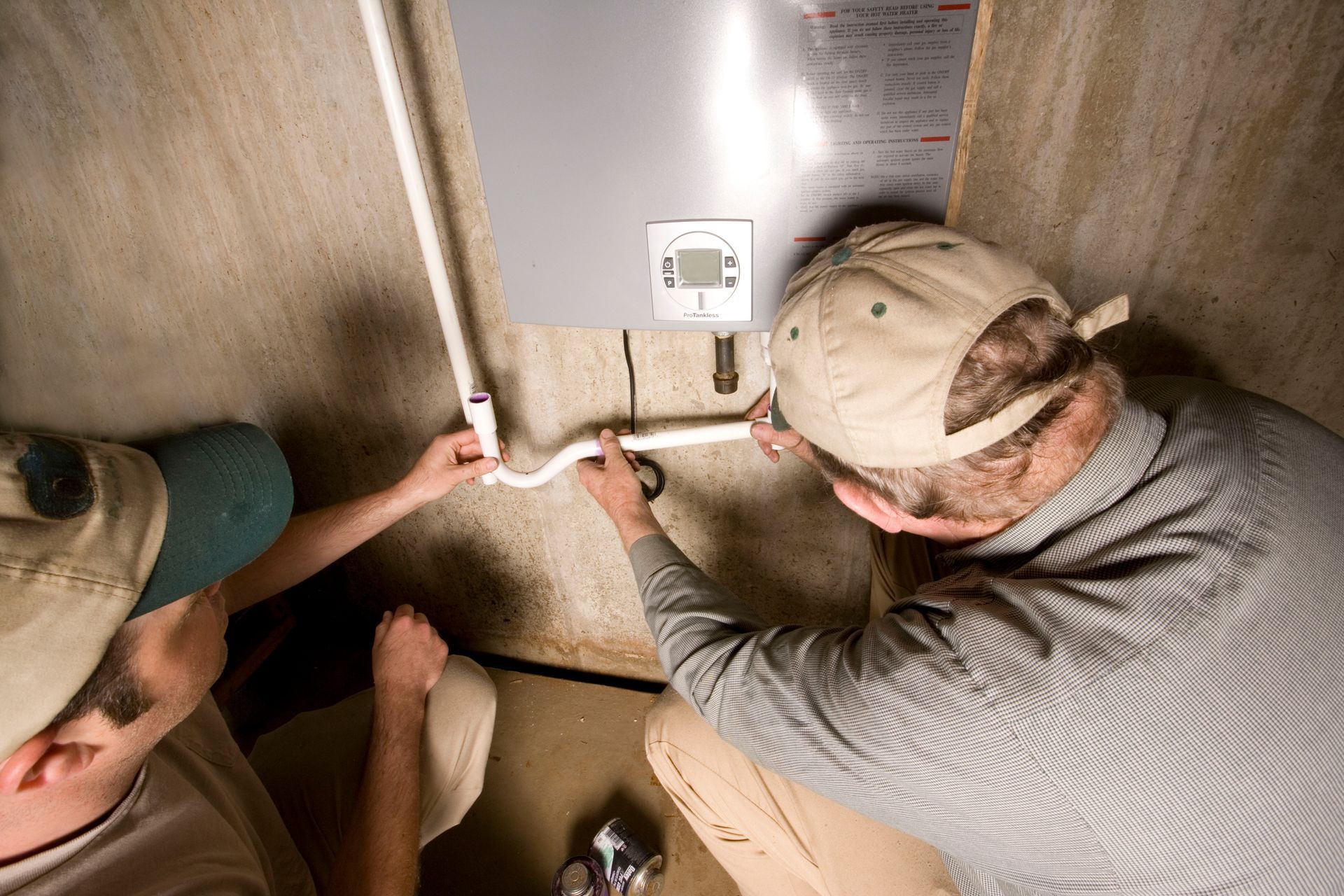
A successful tankless water heater install depends on more than just selecting the right unit. Electrical capacity, gas supply, venting, and placement all influence performance and safety. Electric systems may require panel upgrades, while gas models often need proper venting to operate efficiently.
Sizing the unit correctly is one of the most critical steps. A system that is too small may struggle during peak usage, while an oversized unit can increase installation costs without providing meaningful performance benefits. Placement also matters, as installing the unit closer to frequently used fixtures can reduce wait times and heat loss. These considerations make professional planning essential for reliable results.
Analyze Cost and Long-Term Value
Tankless water heaters typically require a higher initial investment than traditional systems, largely due to the advanced technology involved and the customization often required during installation. Equipment costs, professional labor, and potential infrastructure upgrades—such as electrical capacity adjustments or gas line modifications—all contribute to the upfront expense. The overall price can also vary depending on home layout and water usage needs, making proper planning essential before committing to a tankless water heater install.
Over time, improved efficiency can help offset the initial price, particularly in homes with consistent or frequent hot water demand. Because these systems heat water only when needed, they can reduce wasted energy and support more predictable utility costs. Maintenance expenses are generally manageable, though routine descaling is important to preserve performance and efficiency. When comparing total ownership costs, homeowners should weigh upfront expenses against long-term efficiency, expected lifespan, and everyday convenience rather than focusing solely on the initial purchase price.
Recognize the Benefits of Tankless Technology
One of the most appealing advantages of tankless systems is their ability to deliver continuous hot water. Households no longer need to schedule showers or wait for a tank to refill, which improves daily comfort and convenience. Their compact size also allows for flexible installation options, making them ideal for homes with limited space, especially when a professional tankless water heater install is tailored to the layout of the home.
Durability is another key benefit. With fewer corrosion risks and modern safety features, tankless systems often operate reliably for many years when properly maintained. Advanced temperature controls and automatic shutoff features further enhance performance while improving household safety. These advantages make tankless systems an attractive option for homeowners prioritizing efficiency and functionality.
Account for Potential Challenges and Limitations
Despite their advantages, tankless water heaters are not without challenges. High upfront costs can be a barrier for some homeowners, particularly when electrical or gas upgrades are required. Performance may also be affected if multiple fixtures exceed the unit’s output capacity, leading to temperature fluctuations during peak usage.
Water quality is another consideration. Homes with hard water may experience scaling inside the heat exchanger, which can reduce efficiency if maintenance is neglected. Additionally, tankless systems rely on advanced electronics, making repairs more specialized than those for traditional tanks. Understanding these limitations helps homeowners make realistic decisions and avoid performance issues after installation.
Plan for Professional Installation and Support
Choosing an experienced installer is essential to achieving optimal system performance. Proper setup ensures that safety standards are met and that the system operates as designed. Local building codes often dictate venting, clearances, and permitting requirements, all of which impact long-term reliability. Working with a knowledgeable professional also helps prevent common installation errors that could reduce efficiency or lead to costly issues over time.
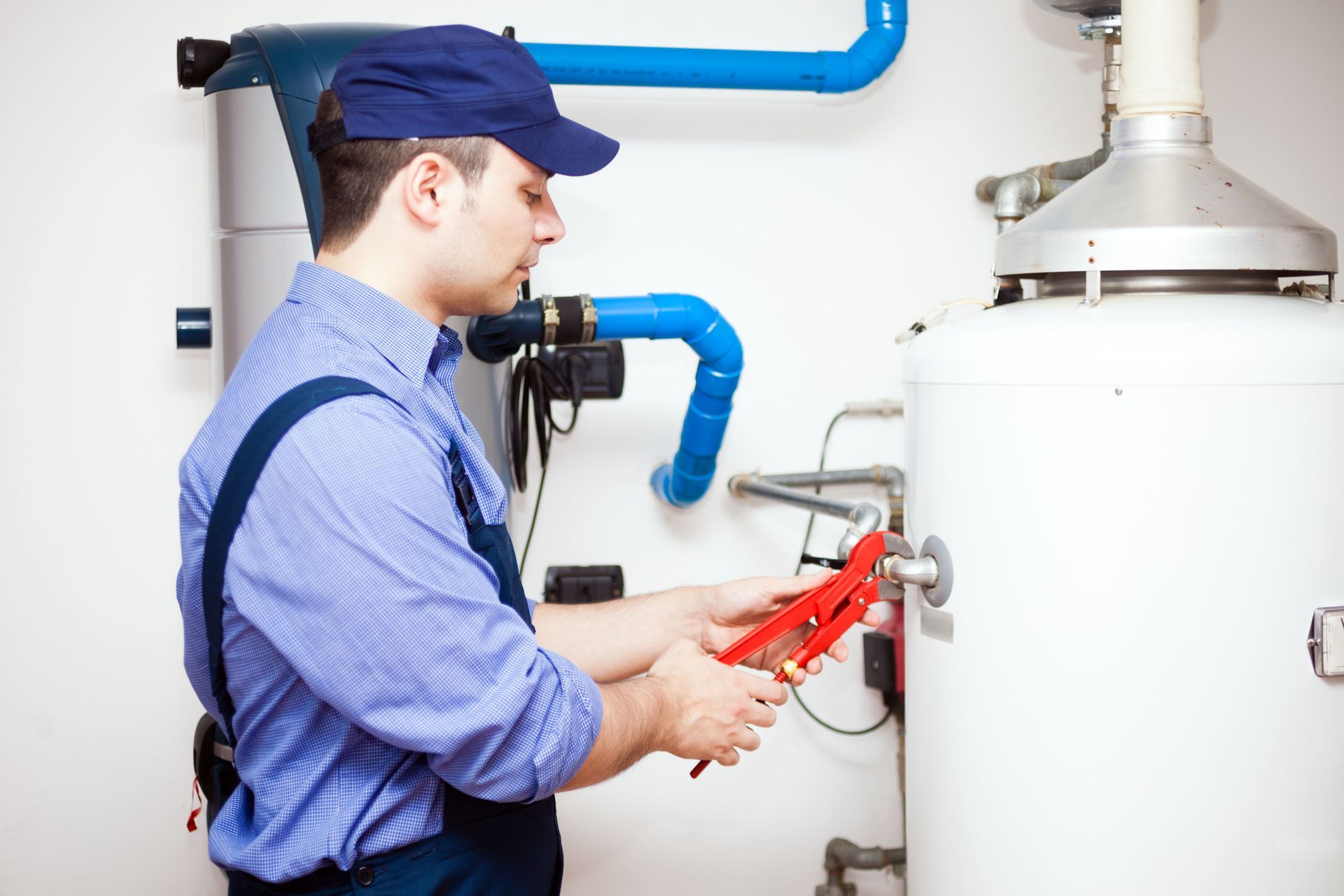
Installation timelines vary based on existing infrastructure, but careful planning minimizes disruptions. Warranty coverage and ongoing support also play an important role in protecting the investment. A professional tankless water heater install backed by reliable service ensures consistent performance and long-term peace of mind.
Tankless water heaters offer impressive efficiency, space savings, and continuous hot water when properly matched to a household’s needs. Performance depends on several interconnected factors, including water demand, climate, installation quality, and maintenance practices. By understanding both the benefits and limitations, homeowners can confidently determine whether this upgrade aligns with their goals.
If you are considering a tankless water heater install and want expert guidance tailored to your home, we invite you to contact us at Excalibur Plumbing. We will help you choose, install, and maintain a system that delivers dependable performance for years to come.
Share On: