
How to Decide Whether a Tankless Water Heater Is Right for Your Home
Choosing the right water heater for your home is a critical decision that impacts both your comfort and energy use. With advancements in technology, tankless water heaters have become a popular choice for homeowners seeking efficiency and convenience.
Understanding How Tankless Water Heaters Work
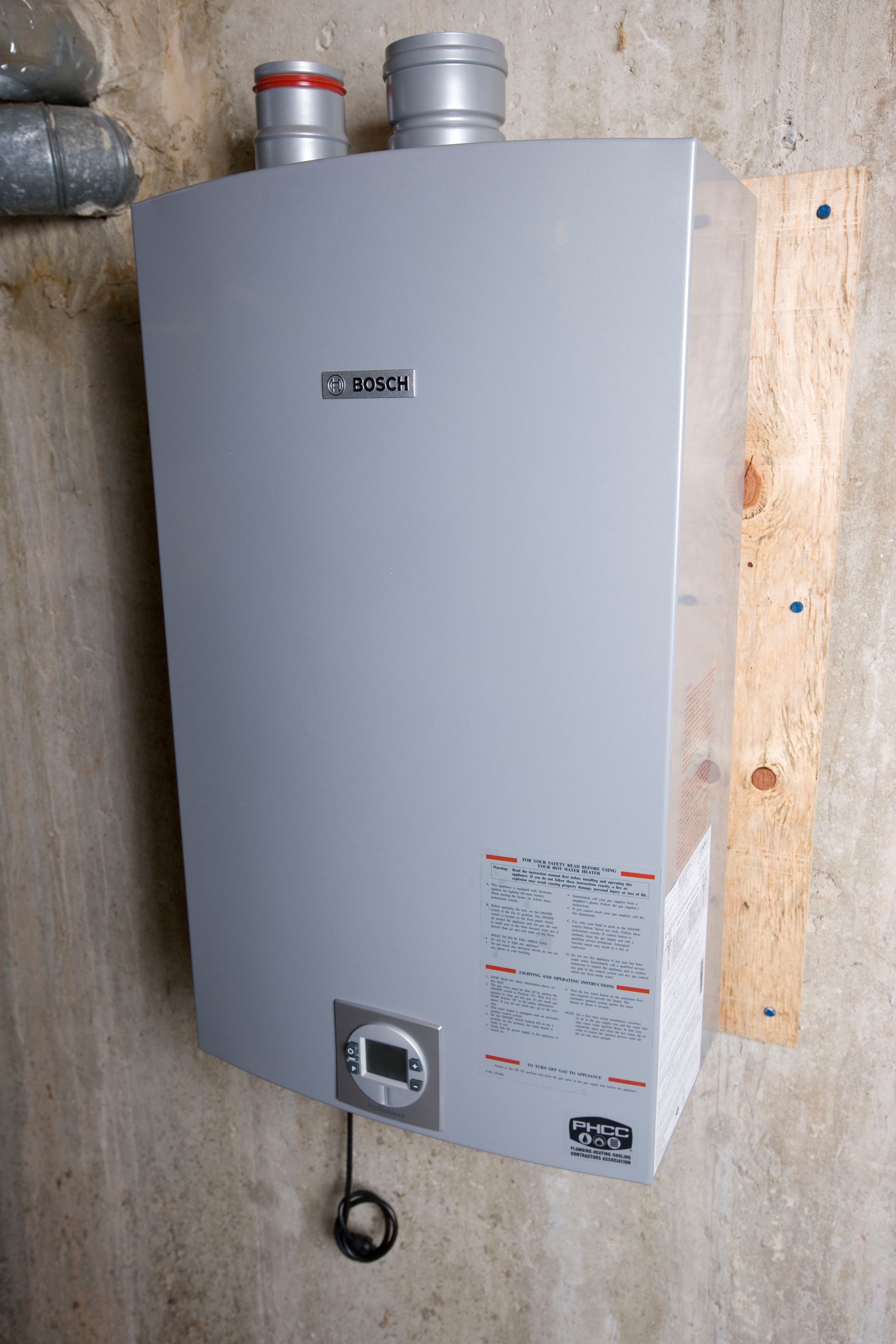
Tankless water heaters, often referred to as on-demand or instantaneous systems, heat water only when it is needed. Unlike traditional water heaters that store gallons of hot water, tankless models use high-powered burners or electric coils to rapidly heat water as it flows through the unit. This technology eliminates standby heat loss commonly associated with storage tanks. As a result, energy is used only when hot water is drawn, creating a more efficient system. Additionally, the compact size of tankless water heaters allows them to be installed in smaller spaces, freeing up valuable space in the home.
Traditional water heaters function by maintaining a large reserve of heated water, continually using energy to keep it at a set temperature. In contrast, a tankless system heats only the water required at the moment it is needed, reducing overall energy consumption. While these systems are often viewed as a long-term efficiency solution, their benefits can vary based on household size and water usage patterns. Larger households may experience greater advantages due to higher demand, while smaller households may see more modest gains. Understanding these operational differences is essential when deciding which system aligns best with your home.
One of the primary advantages of tankless water heaters is their ability to provide a continuous supply of hot water. Homeowners do not need to worry about running out of hot water during showers or daily tasks. Another benefit is reduced energy use over time, as the system avoids constant reheating. Tankless water heaters also tend to have a longer lifespan; according to This Old House, they can last up to 20 years. This extended durability contributes to long-term efficiency compared to traditional systems that often require replacement sooner.
A tankless water heater consists primarily of a heat exchanger and sensors that regulate water flow and temperature. When hot water is requested, cold water flows through the heat exchanger and is heated almost instantly before reaching faucets or appliances. Sensors ensure water reaches the desired temperature consistently. Many modern systems also include digital controls that simplify temperature adjustments and system monitoring. Understanding these components helps homeowners better grasp how the technology functions and what to expect over the system’s lifespan.
Evaluating Household Hot Water Needs
Household size plays a major role in determining daily hot water demand, which directly influences the type of water heater best suited for a home. Larger families or households with frequent water use from showers, laundry, and dishwashing may benefit from the performance of tankless systems. However, it is important to evaluate peak usage times to ensure the unit can meet demand effectively. Capacity alone is not the only factor; the rate at which water is heated and delivered is equally important. A careful assessment supports informed decisions and better performance outcomes.
Climate also affects the efficiency of tankless water heaters by influencing incoming water temperature. Energy use is another important consideration when comparing tankless systems to traditional water heaters. Tankless models generally use less energy because they heat water only when needed and eliminate standby heat loss. Although they may draw higher energy during periods of peak demand, overall usage tends to be lower. Choosing models with strong energy efficiency ratings further supports sustainability goals and long-term performance.
Assessing Space and Installation Considerations
Tankless water heaters are valued for their compact design, which requires significantly less space than traditional storage tanks. These systems can often be installed in smaller mechanical rooms, closets, or wall-mounted locations. Proper planning ensures adequate ventilation and accessibility for maintenance. A thoughtful site evaluation helps ensure that the system integrates smoothly into the home’s layout without compromising performance.
Gas-powered tankless water heaters require appropriate ventilation to safely exhaust combustion gases, while electric models do not. Proper venting is essential for both safety and efficiency and must meet manufacturer specifications and building codes. Adequate clearance around the unit allows for airflow and access for inspections or servicing.
The discreet size of tankless water heaters allows them to blend seamlessly into modern home designs. Their installation can free up storage space previously occupied by bulky tanks, improving both function and aesthetics. This flexibility supports cleaner layouts and contributes to a more organized mechanical area. Understanding these spatial benefits helps homeowners choose systems that align with both functional and design goals.
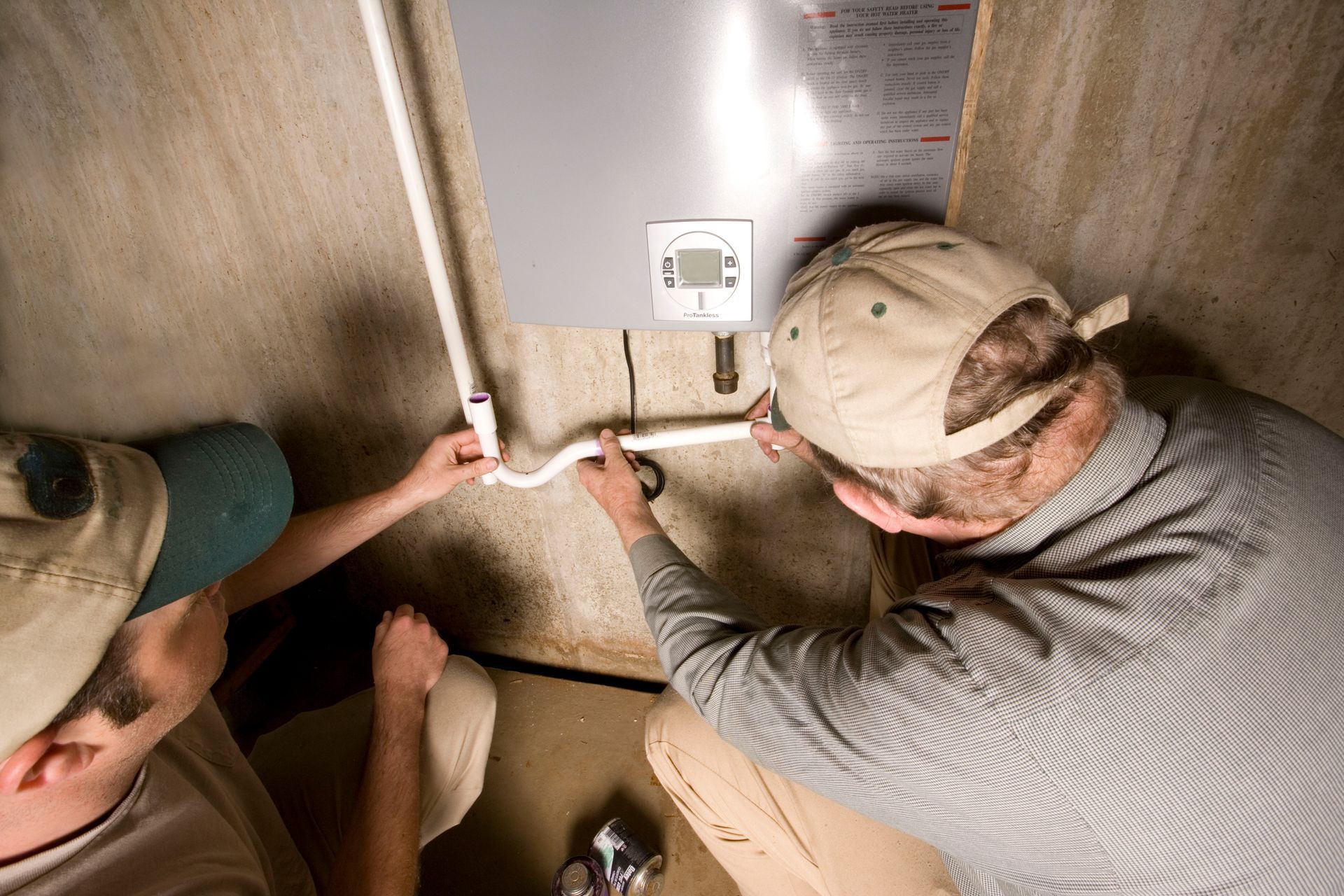
Transitioning to a tankless system may impact existing plumbing infrastructure. Changes in pressure requirements or delivery methods can necessitate plumbing adjustments to ensure compatibility. A professional assessment helps identify any updates needed to support efficient operation. Understanding these potential impacts allows homeowners to prepare for a smooth transition without unexpected disruptions.
Considering Environmental Impact and Sustainability
Tankless water heaters are widely recognized for their reduced environmental impact. By operating on demand and eliminating standby heat loss, they help lower greenhouse gas emissions. Improved efficiency reduces fuel consumption and supports broader sustainability efforts. Their longer lifespan also decreases replacement frequency, which helps reduce material waste over time.
Heating water only when necessary significantly reduces household energy use. This design eliminates unnecessary energy consumption associated with maintaining stored hot water. When properly selected and installed, tankless systems support environmentally responsible living while maintaining reliable performance. These benefits align well with energy-conscious household goals.
Tankless water heaters are also known for their durability, often outlasting traditional systems by many years. With fewer mechanical components, the likelihood of failure tends to be reduced. This longevity supports consistent performance and long-term energy conservation. Understanding these durability advantages helps homeowners make informed, sustainability-focused decisions.
Switching to a tankless system aligns with environmentally responsible lifestyles by conserving energy and reducing resource use. Fewer materials are consumed over time due to extended system life, which lowers landfill contributions. These systems support a reduction in overall household resource consumption and reflect modern sustainability values.
Making an Informed Choice for Your Home
Choosing between a tankless and traditional water heater requires careful consideration of household needs and system characteristics. Factors such as usage patterns, space availability, energy efficiency, and system longevity all play important roles. Larger households may appreciate the flexibility of continuous hot water, while smaller households may evaluate performance differently. Balancing these considerations helps ensure the selected system aligns with daily routines and long-term goals.
Consulting with a professional plumber is an important step in evaluating tankless water heater options. A qualified professional can assess the home’s infrastructure, recommend suitable models, and ensure compliance with local regulations. Their expertise helps identify potential challenges and supports proper installation planning. An informed evaluation ensures the selected system delivers reliable performance and integrates effectively into the home.
Tankless water heaters offer a modern approach to water heating that emphasizes efficiency, durability, and convenience. By understanding how these systems operate, evaluating household demand, and considering installation and environmental factors, homeowners can make informed decisions that support long-term comfort and performance. While tankless systems may not be ideal for every home, thoughtful evaluation and professional guidance can clarify whether this technology aligns with your household’s needs and lifestyle. For all of your water heater needs, contact Excalibur Plumbing today!
Share On: