
6 Great Reasons Why a Tankless Water Heater Could Be the Right Choice
Understanding the benefits of a tankless water heater can be crucial when deciding to upgrade your home's water heating system. This article will discuss various advantages that make tankless water heaters an appealing choice for many homeowners. With a focus on sustainability, efficiency, and modern technology, these water heaters demonstrate a revolutionary shift from traditional tank-based systems.
Tankless water heaters, also known as on-demand systems, heat water only when it is needed, thereby reducing the energy consumption associated with maintaining a reservoir of hot water. This innovation not only improves energy efficiency but also enhances the convenience and functionality of home water systems. Join us as we explore the multifaceted benefits of tankless water heaters, which extend beyond just energy savings.
The absence of a storage tank offers a plethora of advantages, influencing factors ranging from utility bills to environmental impact, and home design to long-term reliability. These benefits collectively establish tankless water heaters as a smart investment for the forward-thinking homeowner. As the demand for more sustainable and efficient home solutions increases, tankless water heaters stand out as a leading option in water heating technology.
1. Energy Efficiency and Cost Savings
Reduced Energy Consumption
Tackling global warming and reducing energy consumption have become vital concerns for many. Tankless water heaters answer this call by heating water only when needed, thereby eliminating the energy loss associated with standby heat in storage tanks. These systems significantly lower overall energy usage, making them an environmentally sound choice. Homeowners who switch to tankless systems often experience a substantial reduction in their energy consumption, sometimes by over 20%. This improvement highlights a meaningful shift toward more sustainable living practices.
Lower Utility Bills
As these systems operate on an as-needed basis, they ultimately translate into lower utility bills for homeowners. By minimizing wasted energy, tankless water heaters reduce the monthly expenses associated with these typically hefty operational costs. For homes where water heating accounts for a significant portion of energy expenditure, the savings are particularly pronounced. Over time, these savings can offset the initial investment cost, rendering the switch an economically wise decision. The long-term financial benefits encapsulate why many are choosing to adopt tankless systems over their traditional counterparts.
Eco-Friendly Operation
In recent years, eco-conscious choices have gained importance in household decisions. Tankless water heaters boast an eco-friendly operation by utilizing energy more efficiently and reducing greenhouse emissions. Since they are designed to conserve energy, they also contribute less to environmental degradation compared to conventional heating solutions. This sustainable aspect aligns with the growing trend of greener home appliances, appealing to those who prioritize eco-responsibility. Embracing tankless technology is an active step toward reducing a household's carbon footprint.
2. Endless Hot Water Supply
Consistent Temperature
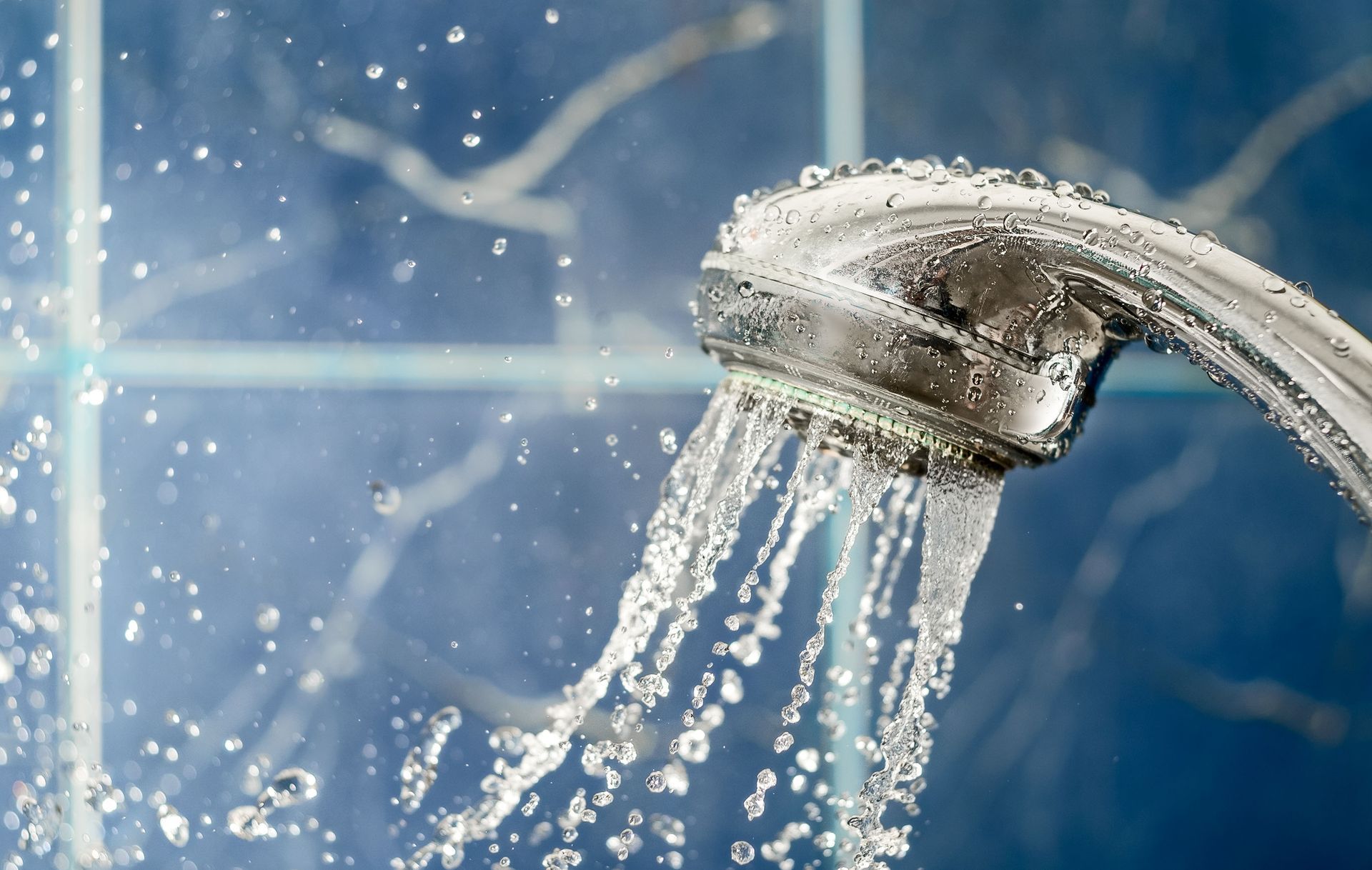
The reliability of a consistent hot water supply is one of the primary attractions of tankless water heaters. With demand-based systems, the water is heated to a consistent temperature, ensuring that users do not face the usual fluctuations experienced with tank heaters. This steady heating is crucial for maintaining comfort and convenience in daily activities such as showering and cooking. Moreover, the precision in temperature control ensures that hot water needs are met efficiently without the annoyance of a dreaded cold shower. Homeowners can rest assured that their hot water supply will be both dependable and enduring.
Peak Usage Satisfaction
Tankless water heaters are ideal for handling peak usage periods that would typically strain traditional systems. Households no longer need to schedule showers and laundry to avoid running out of hot water. These units deliver a high volume of hot water on demand, supporting simultaneous use without compromising performance. This ability is especially beneficial for large families or households with high hot water demands. The system's robustness ensures that every user enjoys an uninterrupted supply of hot water, enhancing overall household satisfaction.
No Waiting Time
One of the most significant advantages of tankless systems is the elimination of waiting time for hot water. Traditional water heaters can take several minutes to replenish a tank's hot water supply once depleted, leading to inconvenience and potential scheduling bottlenecks. In contrast, on-demand heaters provide immediate access to hot water, optimizing time efficiency in busy households. This immediacy in delivery aligns with modern-day desires for fast and responsive home technologies. Consequently, tankless systems streamline daily activities, contributing to a more comfortable and efficient home environment.
3. Space-Saving Design
Compact Size
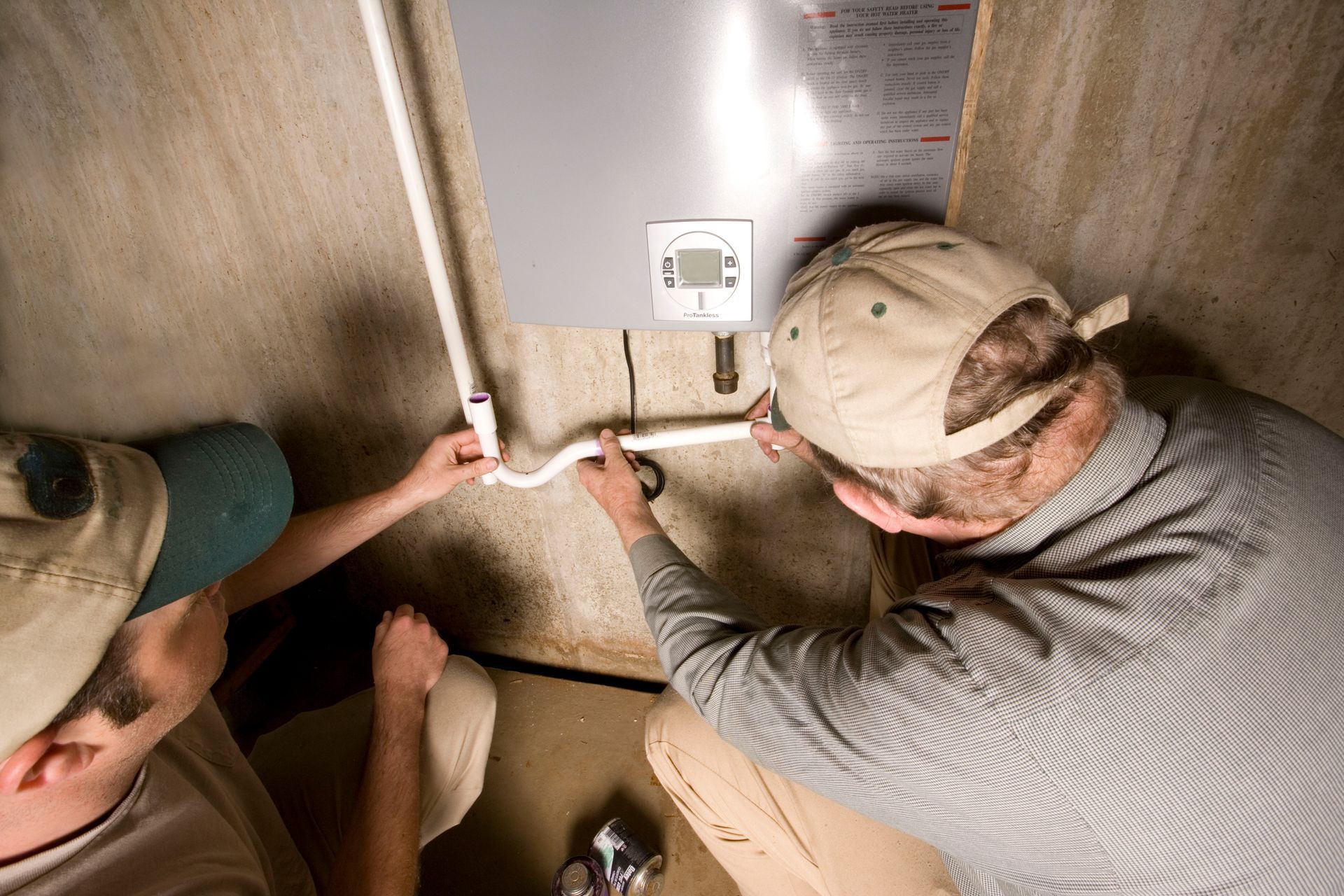
The space-saving design of tankless water heaters offers significant advantages over traditional models. Without the need for a bulky storage tank, these systems are compact and can be conveniently mounted on walls or in small spaces. This feature allows homeowners to reclaim valuable space that can be repurposed for other uses within the home. The appeal extends beyond residential spaces to include apartment buildings and homes where space is at a premium. The improved design offers a sleek and modern alternative, fitting seamlessly into various architectural styles.
Flexible Installation Options
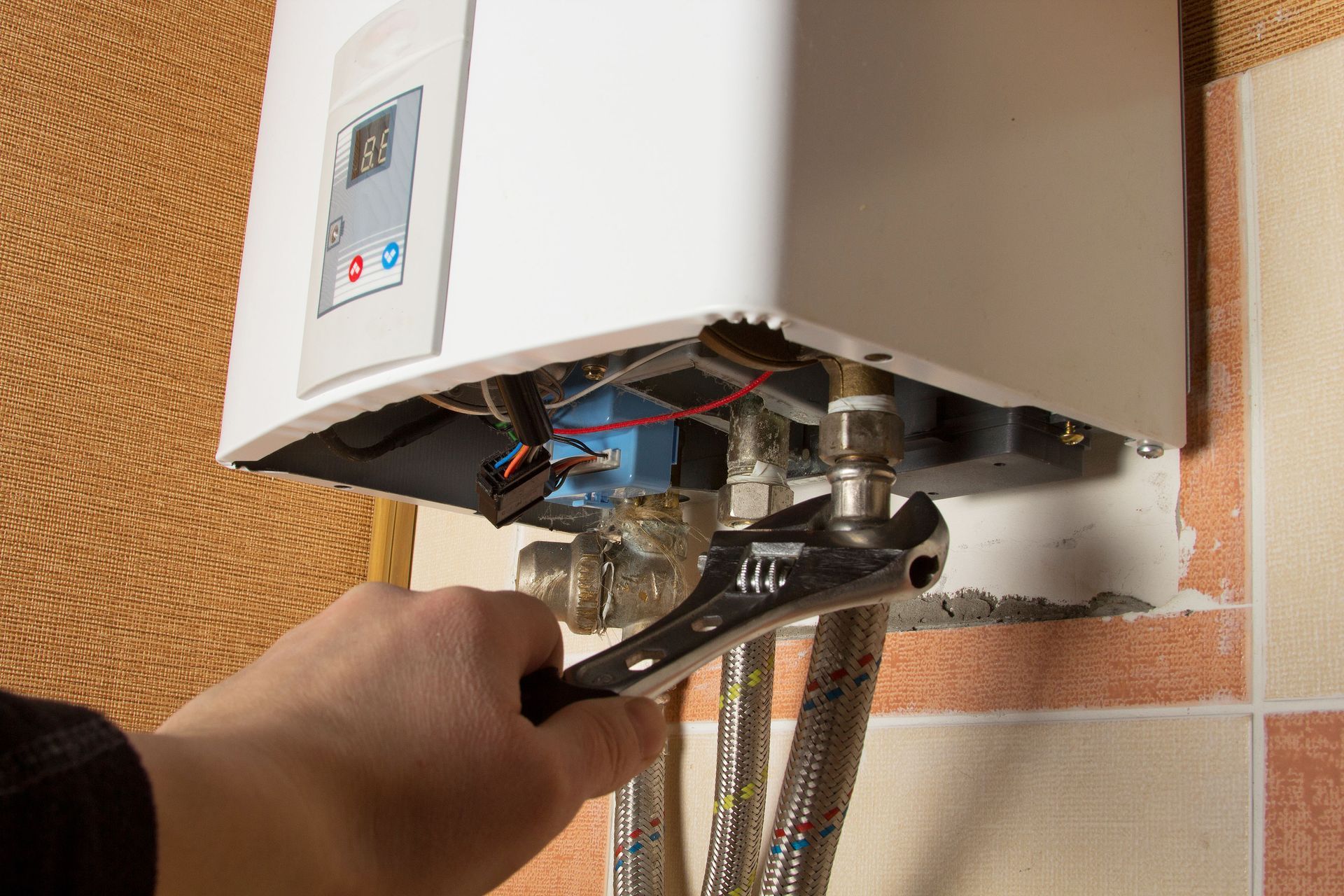
The versatility in installation offered by tankless systems is a key benefit in modern homes. These units can be strategically installed in locations where space may be limited or where they are most needed, such as near bathrooms or kitchens. Their compact size further ensures that they do not intrude on living spaces, enhancing the overall aesthetic of the home. This flexibility aligns with contemporary design trends that favor simplicity and functionality. Homeowners can benefit from the design freedom that comes with a more adaptable heating solution.
Increased Usable Space
The reduced footprint of tankless water heaters creates opportunities for increased usability in a home. Removing large tanks opens up areas for additional storage or functional spaces, which can be appealing in smaller homes or apartments. This spatial efficiency not only enhances living conditions but can also add value to a property when looking to sell. By incorporating tankless technology, homeowners contribute to a more conscious use of space, aligning with modern trends of minimalist design. This efficient use of available areas optimizes both functionality and aesthetic appeal.
4. Increased Longevity
Durable Components
The durability of components used in tankless water heaters ensures a longer lifespan for the system. High-quality materials and advanced engineering mean these heaters face less wear and tear over time compared to their tank-based counterparts. According to This Old House, tankless water heaters last about 20 years, which is almost double the average lifespan of traditional models. This longevity reduces the need for frequent replacements, saving homeowners from recurring costs and inconvenience. Investing in a tankless system is also an investment in long-term reliability and performance.
Extended Warranty Options
Manufacturers of tankless water heaters often provide extensive warranty options, which adds another layer of security for consumers. These warranties can cover a range of situations from parts and labor to component-specific guarantees. The confidence in their products' longevity affirms the integrity and quality of the systems being marketed. Extended warranties provide peace of mind and demonstrate a commitment to customer satisfaction and product durability. For homeowners, this means reduced risk and potential cost savings should repairs be needed due to unanticipated issues.
Low Maintenance Requirements
Tankless water heaters are engineered for minimal maintenance, further enhancing their appeal to homeowners seeking a hassle-free solution. Unlike tanked systems, which require regular cleaning and flushing to prevent mineral buildup, tankless models only need occasional checkups. These simplified maintenance requirements make them an attractive choice for busy individuals or those lacking a desire for hands-on involvement in home maintenance. Their resilience against water hardness is another advantage, reducing the frequency of servicing needs. This low-maintenance design ensures continuous, trouble-free operation and maximizes user convenience.
5. Enhanced Safety Features
Advanced Technology Integration
Tankless water heaters incorporate advanced technology features that enhance safety measures within the household. These include sophisticated sensors and monitoring systems that regulate water flow and temperature accurately. By doing so, they significantly reduce the risk of accidental overheating, which can be a concern with traditional heaters. Such integrations not only improve operational safety but also advance the overall efficiency of the system. The adoption of these technologies aligns with an increasing consumer preference for intelligent home devices that prioritize security and efficiency.
Precise Temperature Control
The precision in temperature control provided by tankless systems means that homeowners can set exact water temperatures, enhancing safety and comfort. This advancement reduces the risk of scalding and ensures safe bathing experiences, particularly important for households with children or elderly members. It ensures that users can tailor the water temperature to their specific needs without energy waste or safety concerns. Furthermore, the ability to maintain consistent temperatures contributes to higher customer satisfaction and greater resource efficiency. Precise controls are crucial for enhancing everyday convenience and user experience.
Reduced Risk of Leaks
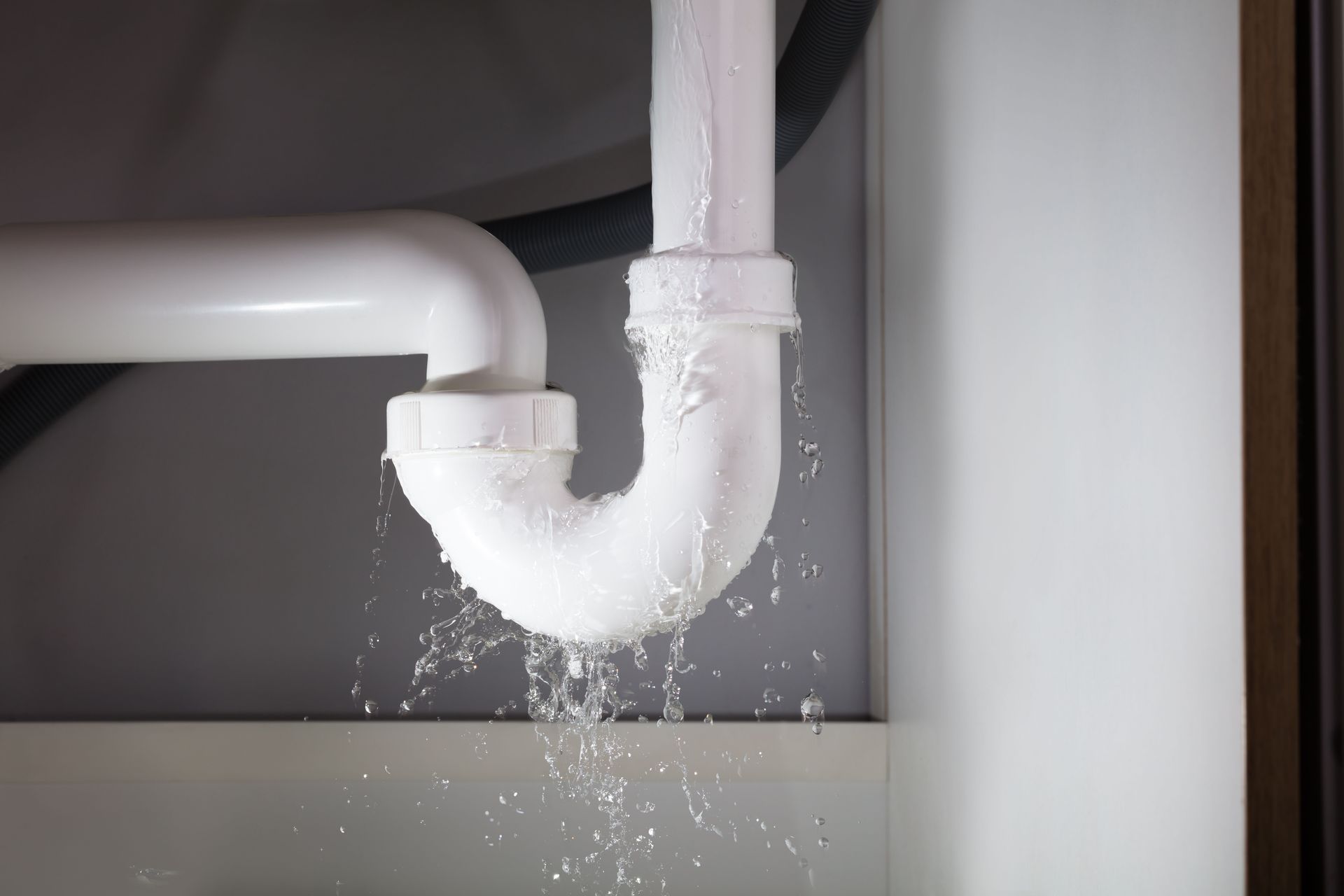
Tanked water heaters bear the inherent risk of leaks due to their large reservoirs, which can lead to extensive water damage. In contrast, tankless versions minimize this risk as there is no stored water waiting to escape in the event of a malfunction. The absence of a tank means fewer opportunities for leaks, eliminating a common stressor associated with homeownership. Thus, the risk and costs associated with water damage mitigation are significantly reduced. For many, this represents a key reason for transitioning to tankless systems, bringing both peace of mind and reduced risk exposure.
6. Environmental Benefits
Low Carbon Footprint
Tankless water heaters stand out for their ability to significantly reduce a household's carbon footprint. By heating water only when needed, they decrease the unnecessary energy usage characteristic of tanked models. This reduced energy consumption contributes to lower greenhouse gas emissions, aligning with a broader push for sustainable living and reducing environmental impact. Homeowners who choose tankless systems actively participate in reducing global energy demand. Supporting products with a low carbon footprint reflects a commitment to environmentally responsible practices, garnering appeal for more eco-focused consumers.
Efficient Resource Use
The resource-efficient design of tankless heaters aligns with an increasing demand for sustainable resource allocation. By utilizing energy only when necessary, these systems ensure that natural resources are not wasted in non-use periods. This efficient consumption model extends beyond energy to reflect broader sustainable practices applicable in various aspects of home management. As concerns regarding resource scarcity and environmental conservation gain attention, the move towards using energy-efficient appliances becomes increasingly relevant. Tankless systems represent a proactive approach to resource efficiency, resonating with eco-conscious individuals.
Minimal Waste Production
An often-overlooked aspect of tankless water heaters is their contribution to waste reduction. The long lifespan of these systems significantly mitigates waste production, as fewer units are discarded over time. Furthermore, their durable construction minimizes the frequency of part replacements, reducing waste associated with manufacturing and disposal. This consideration is vital in conserving the resources and energy involved in appliance production and disposal processes. In choosing tankless, homeowners indirectly contribute to lessening landfill waste, an initiative integral to fostering a more sustainable environment.
With their myriad benefits, including energy efficiency, endless hot water supply, and enhanced safety features, tankless water heaters are a compelling option for environmentally conscious homeowners and those looking for a reliable, long-term solution to their hot water needs. The combination of technology, efficiency, and design creates a forward-looking investment in both personal comfort and ecological responsibility. As consumers increasingly pursue greener, smarter choices, tankless systems sit at the forefront of sustainable water heating technology. Their adoption represents a conscientious decision to embrace innovation for a sustainable future. If you're looking for a new tankless water heater, contact Excalibur Plumbing today.
Share On: