
How Plumbing Contractors Help You Find the Right Water Heater
Choosing a new water heater is a major decision affecting your daily comfort and monthly utility bills. Many homeowners only think about their water heater when it stops working or leaks across the floor. This rush to find a replacement often leads to poor choices that don't fit the household. Professional plumbing contractors become essential allies here. They bring technical knowledge about heat transfer, building codes, and the specific demands of varying household sizes.
Modern water heating technology has advanced rapidly over the last ten years. You're no longer limited to a bulky tank sitting in your garage. High-efficiency models, hybrid systems, and compact units now save valuable space and energy. However, navigating these options requires understanding your specific needs. Experienced plumbing contractors filter through marketing noise to find a reliable system. They ensure your investment provides long-term value and peak performance for years.
Evaluating Your Home’s Existing Plumbing Infrastructure
The first step in selecting a new heater involves a thorough look at your current setup. Your home pipes, valves, and drainage systems dictate what unit can be installed without major renovations. Older homes often have pipes designed for lower pressure than modern units require. A professional examines the diameter of your water lines and shut-off valves. If your infrastructure is aging, they identify issues before a catastrophic failure occurs. Upgrading these internal pipes might be necessary to accommodate the increased flow requirements.
Water pressure is another critical factor checked during this initial evaluation. Excessively high water pressure can shorten the lifespan of a new heater by stressing internal components. Conversely, low pressure might prevent high-tech models from functioning correctly. A contractor can install pressure-reducing valves or booster pumps to create an ideal environment. They also evaluate floor space and clearance to guarantee enough room for safe maintenance and proper airflow. Careful spatial planning is crucial for passing future safety inspections.
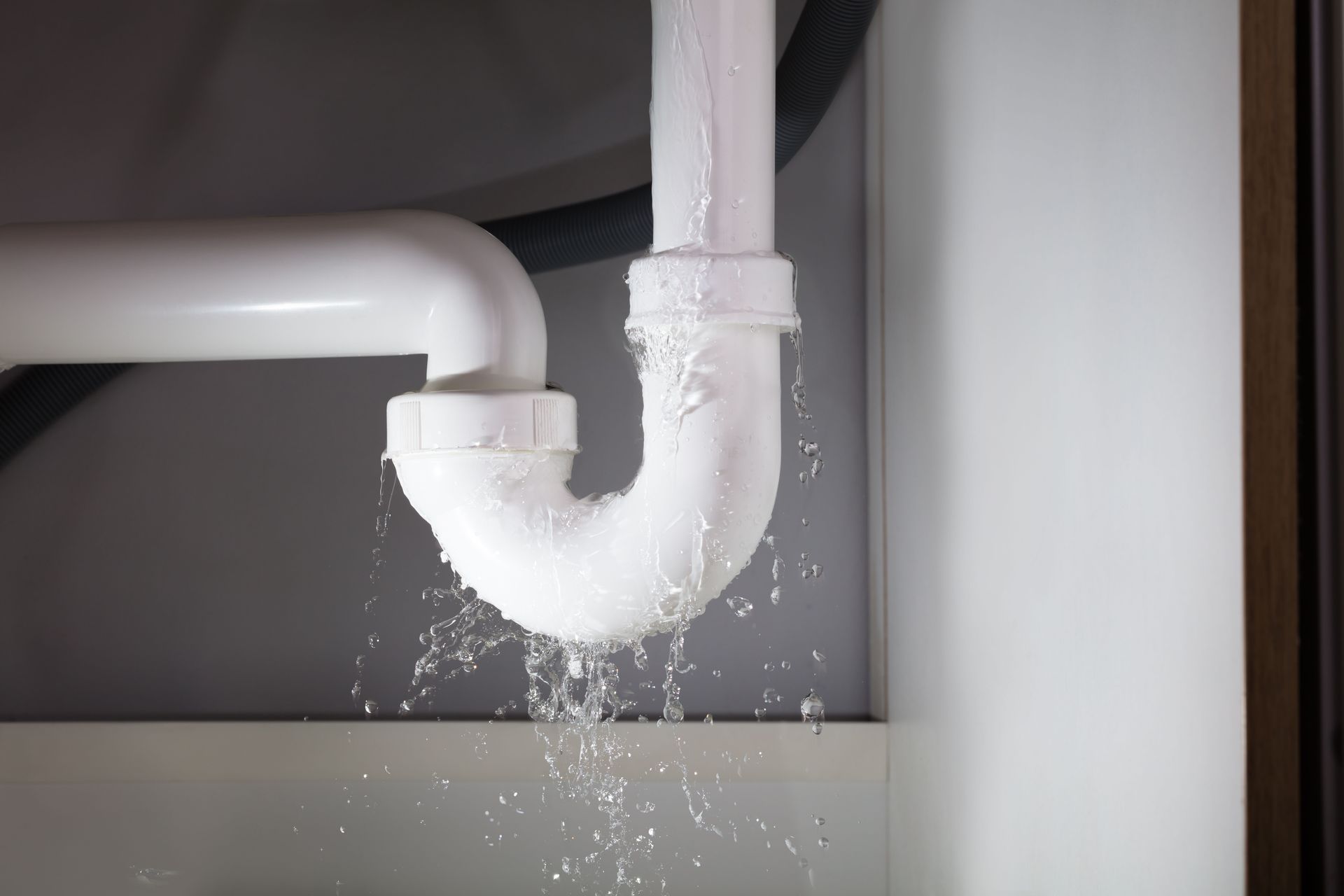
Beyond the pipes themselves, the drainage system near the water heater is vital for safety. Every water heater needs a way to discharge water if the pressure relief valve opens. According to the EPA, 10% of U.S. homes leak 90 gallons of water or more each day. Identifying small leaks during this evaluation saves money and prevents property damage. Fixing these minor flaws ensures your new heater operates safely. Resolving small drips right away is always cheaper than dealing with severe water damage later.
Analyzing Your Household's Hot Water Usage
A water heater that is too small leaves you cold, while a massive one wastes energy heating extra water. Finding the right size is about calculating your peak hour demand, which is the maximum hot water your family uses at once. Running the dishwasher, washing machine, and shower simultaneously means your needs are much higher than average. Professional plumbing contractors calculate this demand by looking at fixture flow rates.
They also consider the unit recovery rate, which is how quickly it warms a fresh tank of cold water. For large families, a high recovery rate is often more important than total tank volume. Massive soaking tubs or multi-head showers require specific water volumes that standard calculations easily miss. A professional also asks about future plans. If you add a bathroom soon, your unit must handle that increased load.
Efficiency ratings play a major role in this analysis of daily usage. Units with a high Uniform Energy Factor cost more upfront but lead to significant savings over time. A professional explains how these ratings translate to specific utility costs based on local rates. They help you weigh the initial purchase price against expected lifetime operating costs, preventing you from overpaying for features you don't need every day.
Comparing Standard and Tankless Systems
One big choice is whether to stick with a traditional storage tank or switch to an on-demand system. Standard tanks are familiar and have a lower installation cost, but they experience standby heat loss. The heater constantly works to keep the stored water hot while you sleep. Tankless units only heat water when a faucet turns on, making them highly efficient. Experienced plumbing contractors provide a tailored side-by-side comparison. They help you weigh the functional pros and cons based on your specific energy goals.
The physical footprint of the unit is often a deciding factor for homeowners. A tankless unit mounts directly on a wall, freeing up valuable floor space for storage. Alternatively, a high-efficiency tank in a spacious basement might be a cost-effective way to get the necessary volume. Professionals also explain key maintenance differences. Tankless systems often require annual descaling to prevent mineral buildup, especially in regions with very hard water.
Performance expectations differ significantly between these two technologies. While tankless units provide an endless hot water supply, they sometimes struggle to supply multiple fixtures simultaneously if sized incorrectly. A storage tank provides a large reservoir, but you must wait for recovery once it empties. A professional evaluates your simultaneous use patterns to recommend a technology. They ensure your chosen system delivers the exact temperature and flow you expect.
Navigating Fuel Sources and Safe Installation Requirements
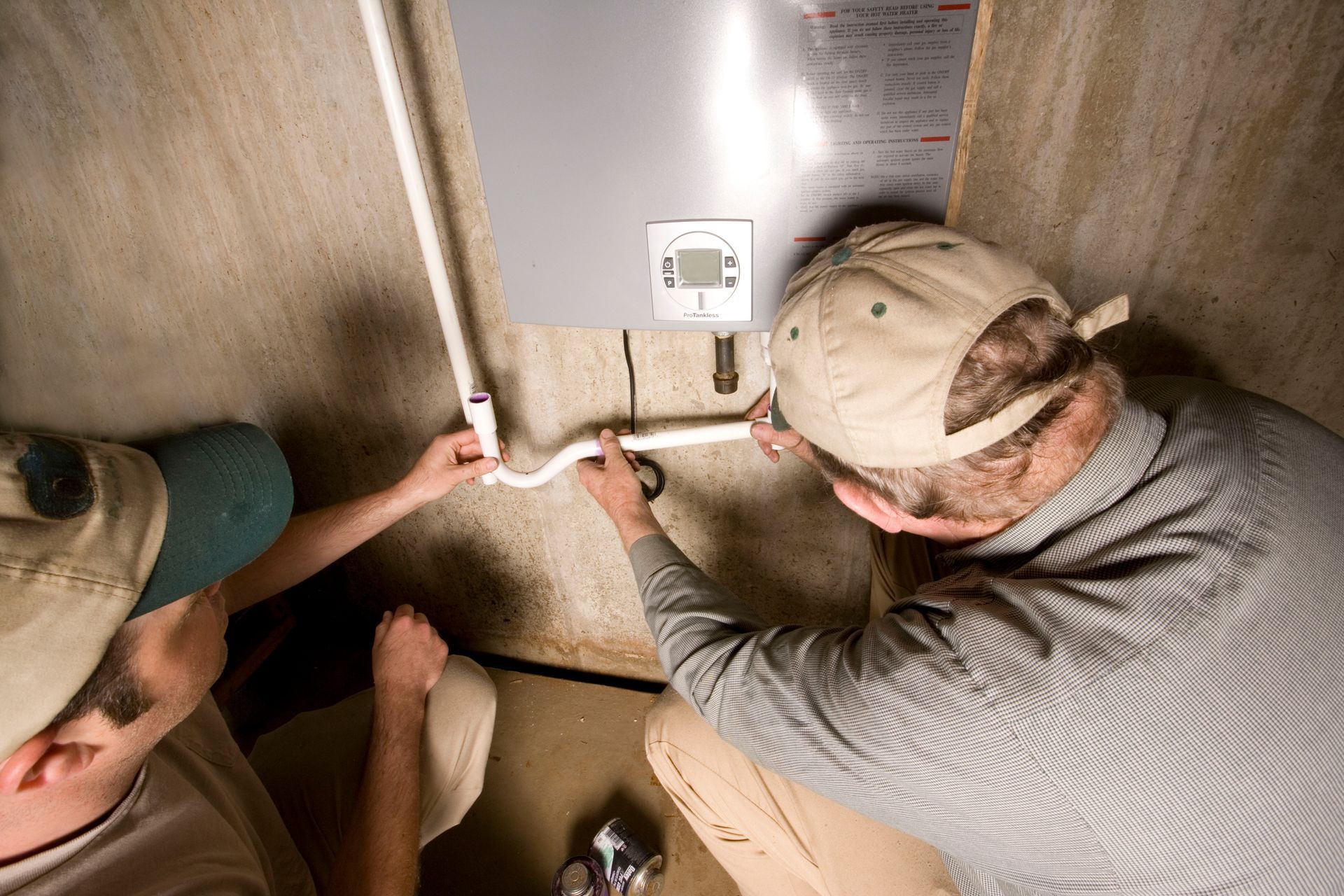
The type of fuel your home uses determines your available water heater options. Most homes run on electricity, natural gas, or propane. Switching fuel sources is a major undertaking involving new lines and venting changes. If you want to switch from electricity to gas, a professional must assess the feasibility. Skilled plumbing contractors understand complex gas line sizing and electrical load calculations, making sure your home's energy safely supports it.
Venting is a critical safety issue many homeowners overlook. Gas and propane water heaters produce combustion gases like carbon monoxide that must move safely outside. Older units used atmospheric venting through chimneys, but newer models require power venting through PVC pipes. This strategy is not something a novice should handle. A professional ensures venting is installed with correct slopes to prevent dangerous fumes from backing up into living spaces.
Local building codes and permit requirements are the final hurdle. These rules protect you and your neighbors from fire and gas leaks. A professional handles the permit process and ensures the installation passes inspection. This matters greatly for home insurance coverage and resale value. An installation without a permit causes significant headaches during a home sale. By following regulations to the letter, a professional provides peace of mind and warranty protection.
Finding the perfect water heater involves more than picking a box off a shelf. It requires diving into your plumbing health, observing how your family uses water, and understanding modern heating technology. By working with experienced plumbing contractors, you gain expert advice that prevents costly mistakes. These professionals take the guesswork out of the entire process and handle the heavy lifting, from the initial inspection to final safety checks.
The goal is to create a setup that is efficient, safe, and tailored to your lifestyle. Whether you select a traditional tank or a modern tankless system, installation quality matters just as much as unit quality. A poorly installed heater fails prematurely and poses safety risks. Taking time to consult a pro ensures all technical details are handled. You're investing in the long-term comfort of your home.
If you're ready to find the perfect system for your home, reach out to the skilled plumbing contractors at Excalibur Plumbing today. We'll handle the entire installation process safely and efficiently so you can get back to enjoying reliable hot water.
Share On: