
7 Questions to Ask Before Installing a Tankless Water Heater
Installing a tankless water heater can be a smart investment for many households. Unlike traditional tank systems, tankless units provide hot water on demand, helping to conserve energy and reduce clutter in your home. But before making this upgrade, there are some key questions to consider to ensure your home, lifestyle, and budget align with the right system. Asking these questions can save you time, money, and frustration in the long run.
Understanding Flow Rate
Choosing the right size of tankless water heater is crucial to meeting household hot water demand. The flow rate, measured in gallons per minute (GPM), determines how much hot water can be delivered at the same time. A higher flow rate allows multiple fixtures, such as showers and dishwashers, to run simultaneously without losing pressure. Families with more members or higher water usage will need units with higher flow rates. Assessing peak hot water usage will help ensure you select a system that performs efficiently without overspending on unnecessary capacity. Proper evaluation here is essential for a smooth tankless water heater install experience.
For example, a household with two bathrooms and a large kitchen may need a system with a flow rate of 7–9 GPM to comfortably supply hot water to all outlets. Smaller households or vacation homes may be able to meet their needs with a lower-capacity unit. Consulting a professional can help you match the unit to your lifestyle and avoid surprises after installation. Some homeowners even keep a log of peak hot water use for a week to better determine their requirements.
Evaluating Energy Efficiency
Energy efficiency should be a top consideration when planning a tankless water heater install. Tankless units heat water only when needed, unlike traditional tanks that maintain a constant reserve of hot water. According to Home Guide, upgrading to a tankless or hybrid heat pump water heater can reduce energy costs by 8% to 34%, highlighting the potential savings over time. When reviewing units, look for the Energy Factor (EF) rating, which measures efficiency, and consider whether a gas or electric model will best suit your household’s energy profile.
A more efficient system not only saves money but also reduces your carbon footprint. Some models even feature advanced technologies like modulating burners and recirculation pumps, which further optimize performance. For households that experience heavy hot water usage at certain times of the day, high-efficiency units can ensure comfort while keeping energy bills lower.
Assessing Installation Complexity
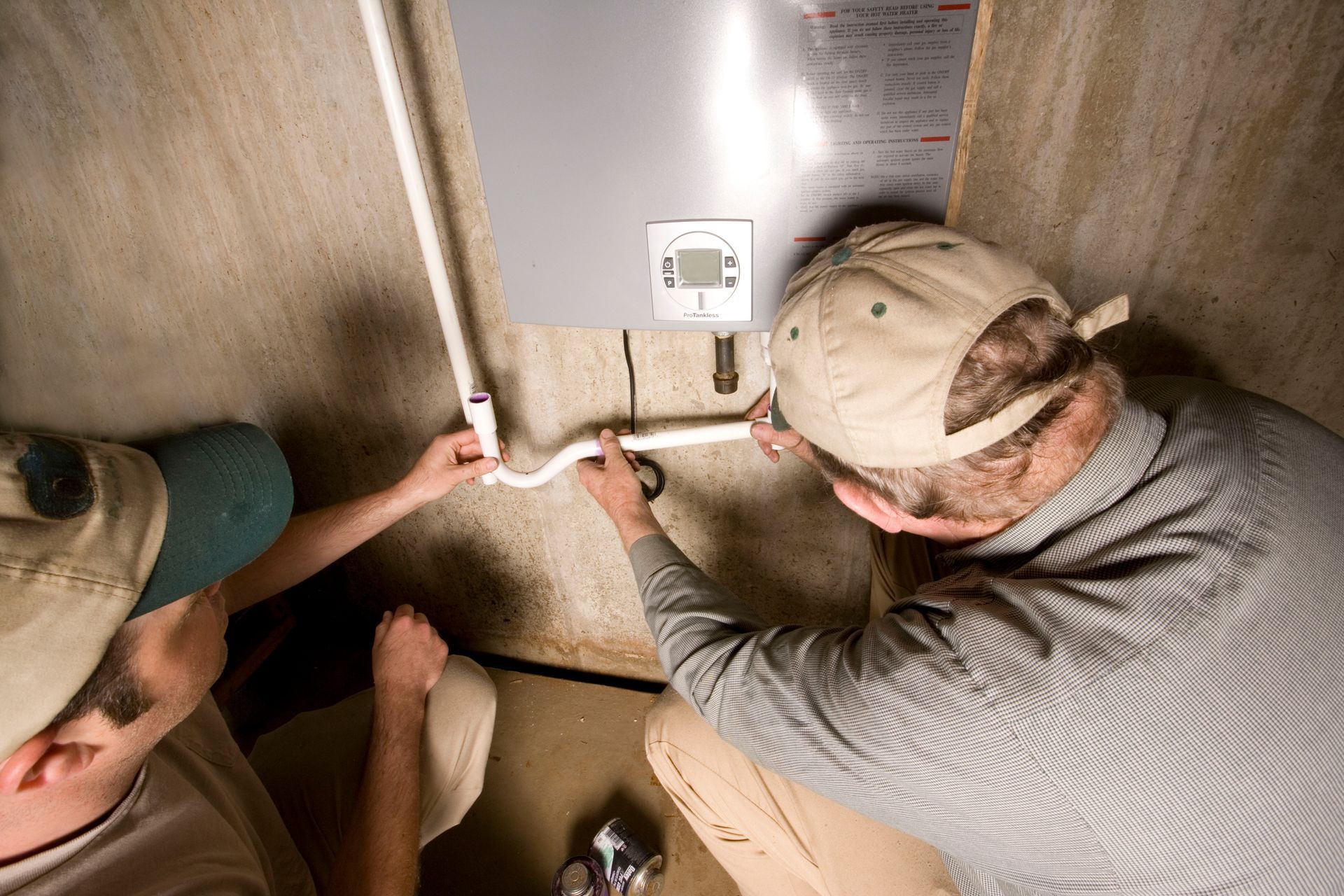
Understanding what’s involved in a tankless water heater install can prevent surprises during the process. Some systems may require upgraded gas lines, additional electrical capacity, or venting adjustments to operate safely and efficiently. Older homes, in particular, might need modifications that can increase installation time and cost. Discussing these requirements with a licensed professional ahead of time ensures you know what to expect and can avoid delays.
Beyond structural considerations, it’s also worth thinking about location. Installing the unit close to main water usage points can reduce the wait time for hot water and improve efficiency. Planning ahead minimizes disruptions and ensures the system performs optimally from day one. Additionally, some units allow for wall-mounted installation, saving floor space and making them ideal for homes with smaller utility rooms.
Considering Maintenance Requirements
Maintaining a tankless water heater is different from caring for a traditional tank system. These units often require descaling or flushing to prevent mineral buildup, especially in areas with hard water. Regular maintenance extends the life of the system and keeps it running efficiently, which is critical after a tankless water heater install.
Some homeowners choose to set reminders for an annual flush, while others invest in water softening systems to reduce mineral deposits. Many manufacturers provide detailed guidelines or service plans, simplifying upkeep and ensuring your system maintains peak performance. Understanding these requirements before installation ensures your system will remain reliable for years to come. Regular maintenance also helps maintain warranty coverage, which is often contingent on following recommended care procedures.
Comparing Costs and Budgeting
Cost is always a factor when considering a tankless water heater install. While tankless systems often have higher upfront prices than conventional tanks, their longer lifespan and energy savings can offset initial investment over time. Beyond the unit itself, consider installation expenses, potential home modifications, and ongoing maintenance.
It’s also useful to compare local utility rates, as energy savings will vary based on gas or electricity costs in your area. Some homeowners see a faster return on investment in regions with higher energy prices. By creating a detailed budget, you can choose a system that provides value and performance without unexpected financial strain. Remember to include costs for permits if required in your area, as these are sometimes overlooked but essential for a compliant installation.
Planning For Water Pressure and Flow
Water pressure can impact how well a tankless water heater meets your household needs. Units rely on a consistent flow rate, and low pressure can limit the system’s ability to provide hot water efficiently. Homeowners considering a tankless water heater install should evaluate their current plumbing and, if needed, install pressure-boosting equipment to maintain optimal performance.
In addition, consider the layout of your home. Long pipe runs or multiple simultaneous water demands can reduce efficiency if the system isn’t sized correctly. Ensuring proper water flow enhances comfort and avoids situations where showers or sinks produce lukewarm water during peak use. For larger homes, splitting the system or adding point-of-use units in high-demand areas may solve flow challenges.
Checking For Compatibility With Existing Systems
Not every home is immediately ready for a tankless water heater upgrade. Assessing your current plumbing, electrical capacity, and gas supply helps determine if your home can support a tankless water heater install. Some homes may require updates or additional components to integrate the system efficiently.
Additionally, older water distribution systems may need partial replacement or rerouting to accommodate the new unit. Consulting with a professional can identify potential challenges and allow you to plan for any necessary adjustments. Ensuring your home is fully compatible prevents delays and ensures your system operates safely and efficiently. Some homeowners find that simple upgrades like larger pipes or updated electrical panels make a big difference in performance and reliability.
Common Questions and Practical Tips
Many homeowners considering a tankless water heater install have similar questions. For instance, some wonder if tankless units can run on well water or how they perform in very cold climates. Most modern units are designed to handle colder incoming water, but efficiency may drop in extreme temperatures. Installing insulation around pipes or using a recirculation pump can help maintain consistent hot water delivery.
Another common question is whether multiple units are needed for large households. In homes with high simultaneous water use, installing two smaller units or one larger unit may be more cost-effective than a single undersized system. Finally, understanding the placement of the unit relative to frequently used fixtures can reduce the wait time for hot water and improve energy efficiency. Thinking through these details before installation ensures a smoother experience and long-term satisfaction.
A tankless water heater install can transform your home’s hot water system, providing energy savings, consistent performance, and long-term value. By considering flow rate, energy efficiency, installation complexity, maintenance, costs, water pressure, longevity, and compatibility, you can make a well-informed decision that suits your household needs. Asking these seven questions and considering practical tips ensures that your tankless system meets your expectations and delivers reliable hot water for years to come. For professional guidance and installation support, contact Excalibur Plumbing.
Share On: