
6 Common Plumbing Emergencies and How to Prevent Them
Plumbing is a crucial part of every home, and when something goes wrong, it can quickly escalate from a minor inconvenience to a serious problem. Understanding the most common plumbing emergencies homeowners face — and knowing how to prevent them — can save you from significant stress and disruption. Regular maintenance and prompt intervention are the two most effective strategies for keeping your home's plumbing system in good working order.
1. Address Clogged Drains Before They Worsen
Clogged drains are one of the most prevalent plumbing issues in any household, often arising from the gradual buildup of soap scum, hair, grease, and food particles. Kitchen sinks are particularly vulnerable to blockages caused by food remnants and oils, while bathroom drains tend to suffer from hair and soap residue that slowly restricts water flow. When faced with a minor clog, a plunger is often the first line of defense, and for tougher blockages, a plumbing snake or auger may be necessary. A natural remedy of hot water mixed with vinegar and baking soda can also help dislodge minor buildup without harsh chemicals. For severe or recurring clogs, calling an emergency plumbing professional is the safest way to protect your pipes from further damage.
Preventing drain clogs is far simpler than dealing with them after the fact. Installing drain guards keeps debris from entering your pipes in the first place, and regularly flushing drains with a vinegar and baking soda solution helps keep them clear. Avoiding pouring grease down the kitchen sink and disposing of food waste properly are habits that go a long way in maintaining healthy drains. Keeping a sturdy plunger and a drain snake on hand ensures you are prepared to act quickly when a clog does develop.
2. Repair Leaky Faucets Promptly
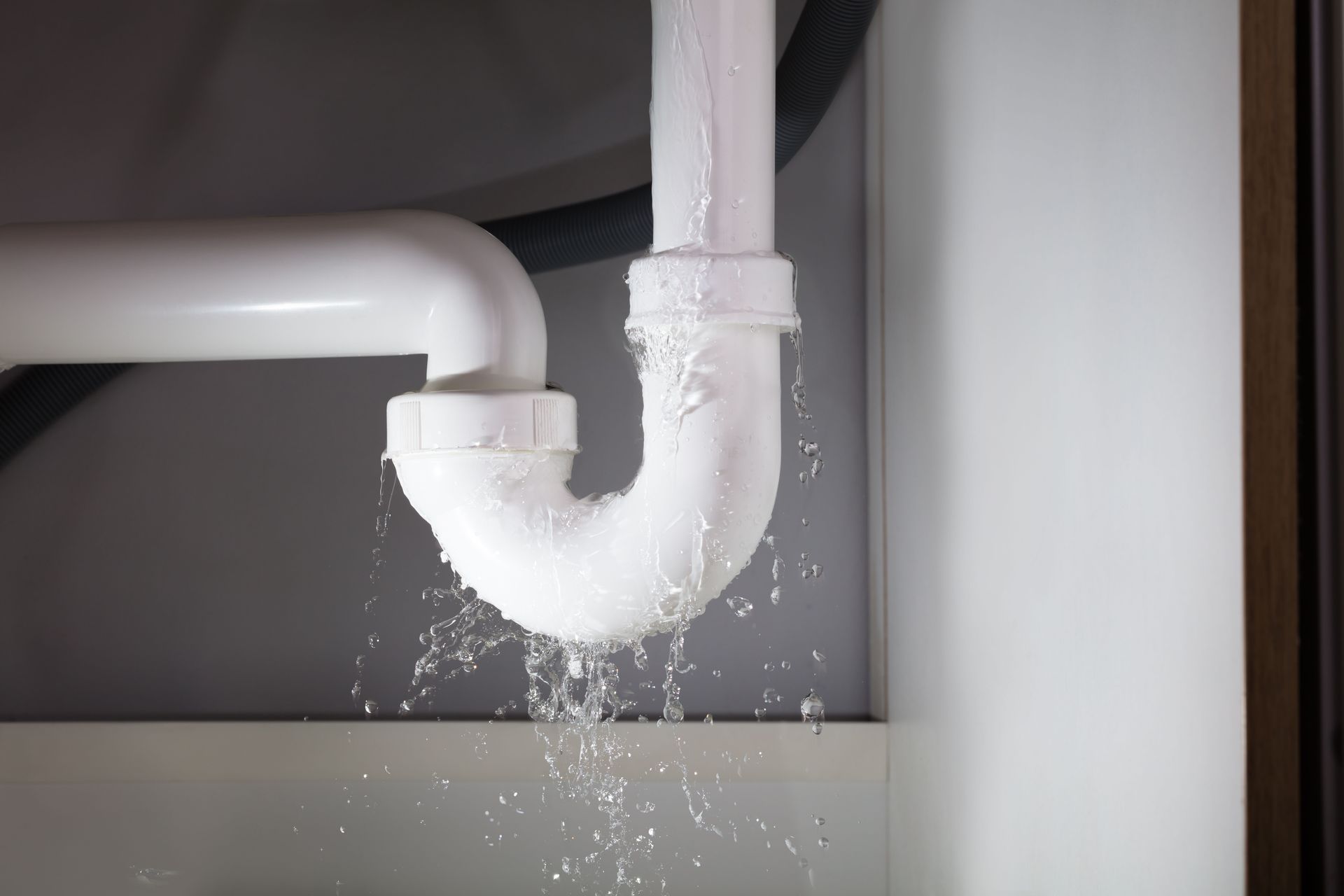
Leaky faucets are among the most common and easily overlooked plumbing issues, yet they can lead to real consequences if left unaddressed. Common causes include worn-out washers, corroded valve seats, and damaged O-rings, with compression faucets being particularly prone to wear in older homes. Cartridge and disk faucets can also develop leaks over time due to mineral deposit buildup or internal cartridge wear. Replacing a worn washer or cartridge is often a straightforward DIY fix, and regularly cleaning mineral deposits can prevent valve corrosion and extend the life of your faucet. Applying silicone grease to O-rings is another simple step that enhances their longevity and keeps leaks at bay.
Neglecting a leaky faucet, however, can lead to more serious problems over time. Continuous dripping wastes a significant amount of water and can cause damage to cabinets, walls, and floors if moisture is allowed to accumulate. The resulting damp environment also encourages mold and mildew growth, which poses its own set of health concerns. If a faucet is severely corroded or continues leaking despite repeated fixes, full replacement may be the most practical path forward. A professional emergency plumbing technician can assess the situation and recommend the best course of action to prevent further damage.
3. Fix Running Toilets Without Delay
A running toilet is a common plumbing issue that often goes unnoticed until it begins to affect water usage noticeably. The problem typically stems from a flapper valve that is not sealing properly, allowing water to continuously flow into the bowl. Other causes include a faulty fill valve or an improperly positioned overflow tube, and a continuous hissing sound after flushing is often the first sign something is wrong. Homeowners can frequently resolve the issue by inspecting and cleaning the flapper valve, adjusting the float arm, or replacing the fill valve — all relatively simple repairs with the right tools on hand.
Preventative maintenance plays a key role in avoiding running toilet problems altogether. Avoid flushing non-biodegradable items, which can cause blockages that put stress on internal components. Regularly inspecting toilet parts for wear and replacing them before they fail keeps the system functioning properly. Adding a few drops of food coloring to the tank is a simple trick for detecting flapper valve leaks that might otherwise go unnoticed. When persistent problems resist basic solutions or a newer model with complex mechanisms is involved, reaching out to an emergency plumbing professional ensures no underlying issue is overlooked.
4. Prevent Burst Pipes With Proper Insulation
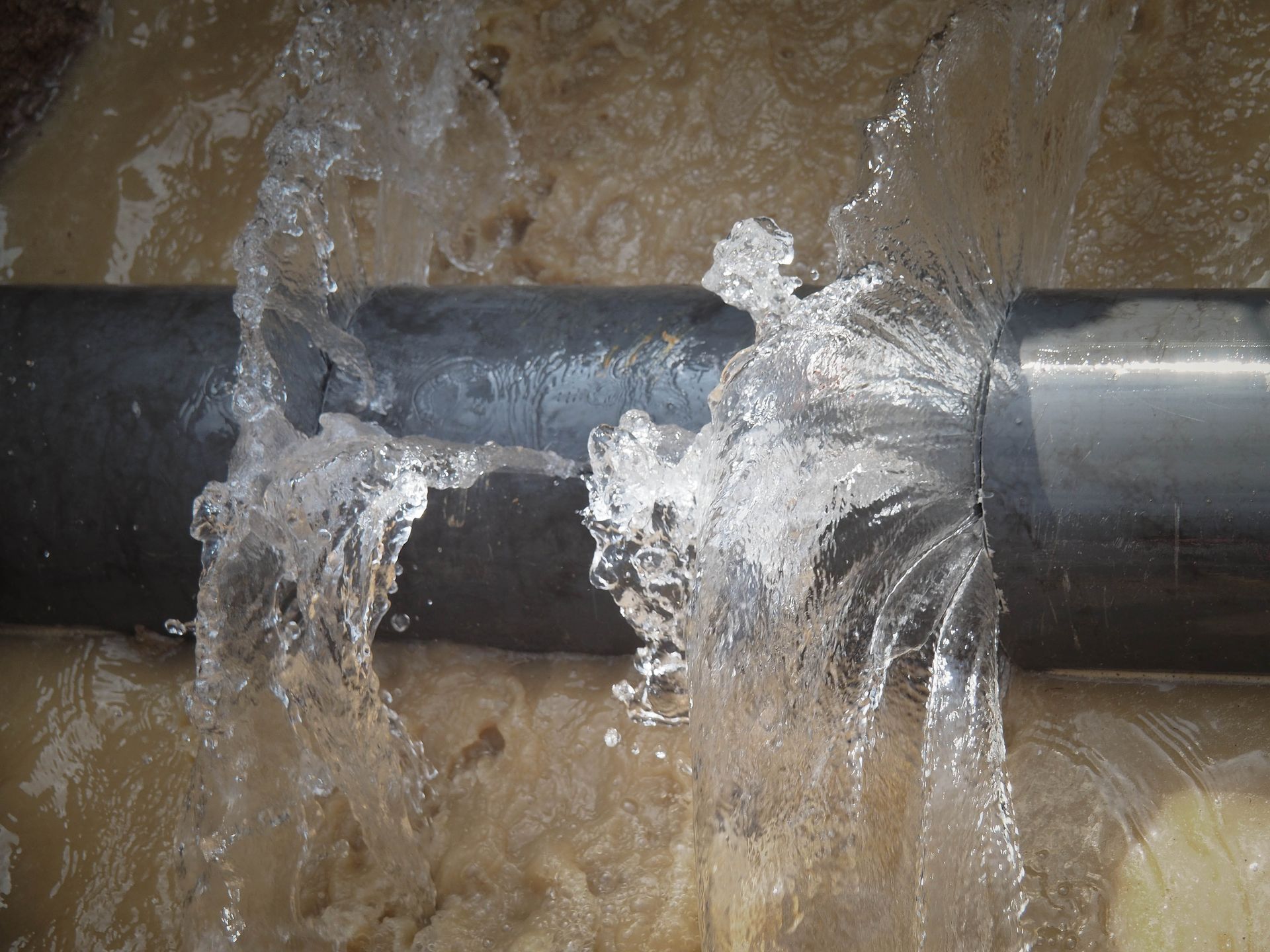
Burst pipes are among the most damaging plumbing emergencies a homeowner can face, capable of causing serious harm to a home's structure if not addressed immediately. Common warning signs include an unexpected spike in water usage, the sound of running water when no fixtures are in use, and visible wet spots on ceilings or walls. Cold weather is a frequent culprit, as water expands when it freezes inside pipes, creating pressure that can cause them to rupture.
According to This Old House, just one inch of standing water in a typical home can result in up to $25,000 in damage, which underscores how critical it is to act fast when a pipe bursts. If a pipe does burst, turning off the main water supply immediately and draining the system by opening all faucets is the first step before contacting an emergency plumbing professional.
Long-term prevention centers on keeping pipes protected from temperature extremes and excessive pressure. Insulating pipes with foam wraps or fiberglass insulation — especially in unheated spaces like basements, attics, and exterior walls — is one of the most effective preventative measures available. Keeping a tap slightly open during severe cold spells allows water to move through the pipes and reduces the risk of freezing.
5. Maintain Your Water Heater Regularly
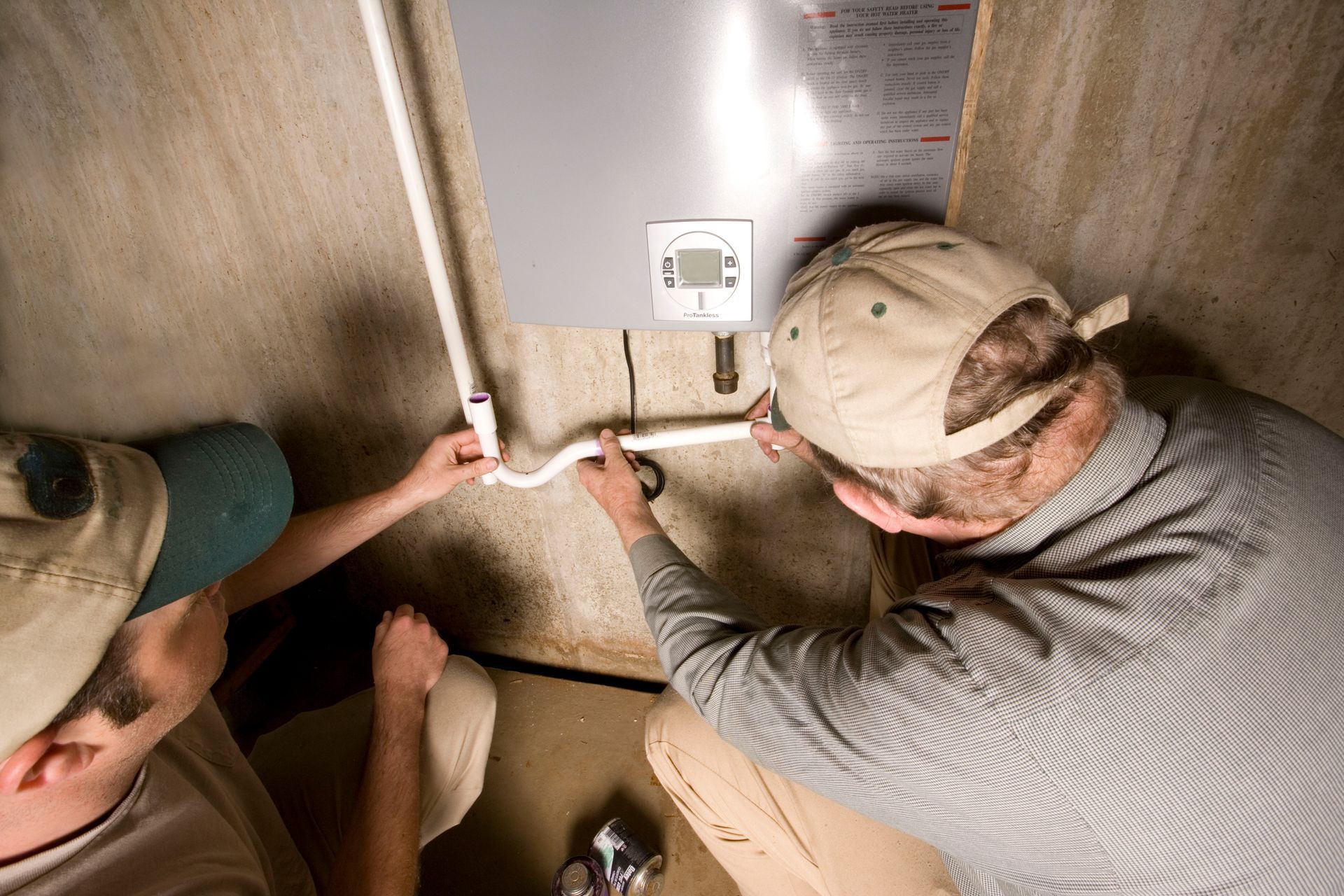
Water heaters are essential to everyday comfort, but they are not immune to problems. Common issues include a lack of hot water, inconsistent temperature, strange noises coming from the unit, and visible leaks — often the result of internal corrosion. Sediment buildup is another frequent concern, as minerals that accumulate at the bottom of the tank reduce heating efficiency and can cause irregular temperature fluctuations. Flushing the tank at least once a year removes this buildup and keeps the unit running efficiently.
Knowing when to call an emergency plumbing professional is just as important as routine maintenance. Persistent issues like rusty water, especially around the base of the tank, or reduced hot water capacity are signs that the unit may be nearing the end of its useful life. A water heater with frequent, recurring problems is often better replaced than repeatedly repaired.
6. Resolve Low Water Pressure Efficiently
Low water pressure can be a frustrating daily inconvenience, but it can also be a symptom of a larger plumbing issue that requires attention. Common causes include sediment buildup in pipes, clogged faucet aerators or showerheads, leaks within the plumbing system, or problems originating with the water supplier. Determining whether the low pressure is isolated to one fixture or affects the entire home is an important first step in diagnosing the issue. Cleaning or replacing aerators, checking for hidden leaks in basements or attics, and adjusting the water pressure regulator are all effective starting points.
When basic maintenance and DIY solutions fail to restore adequate pressure, a professional assessment becomes necessary. A licensed emergency plumbing technician has the specialized equipment to identify hidden issues and recommend the right upgrades or repairs. Replacing outdated pipes or upgrading to modern, more efficient fixtures can make a meaningful difference in both water pressure and overall system performance. Regular monitoring of water flow throughout the home helps detect changes early, before they escalate into a more serious plumbing concern. Staying proactive is always the most effective way to maintain consistent, reliable water pressure in your home.
If you are ready to get ahead of your home's plumbing needs, contact us at Excalibur Plumbing today. We will help you identify potential issues, perform the maintenance your system needs, and respond quickly when emergency plumbing situations arise.
Share On: